The end of "digital as a department"
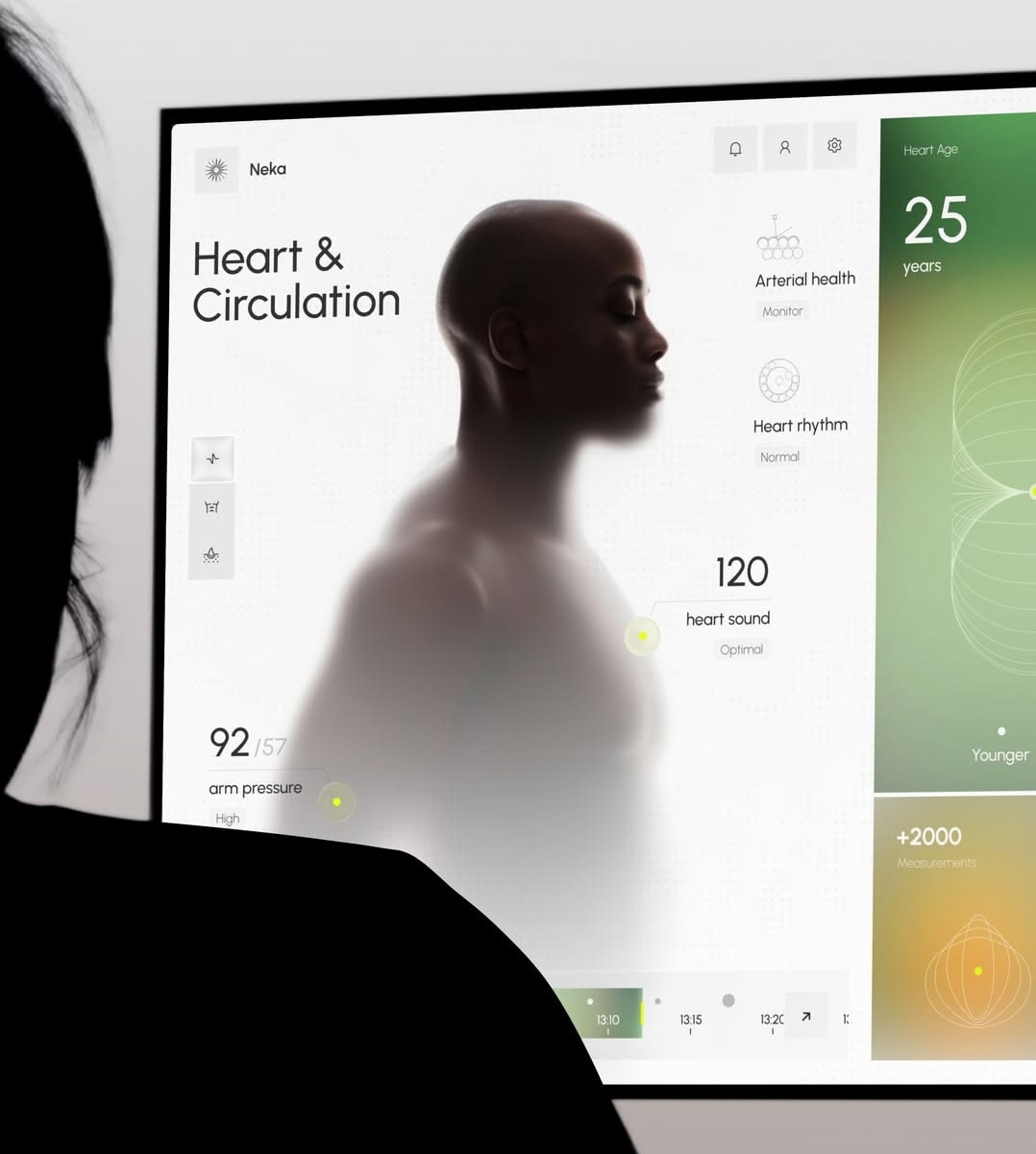
For years, digital health lived in its own silo. A chief digital officer here, an innovation lab there, a handful of pilots that never scaled. Meanwhile, clinical workflows, R&D pipelines and back-office operations ran on legacy systems that barely talked to each other. That separation is collapsing. In 2026, AI is embedded in clinical decision support, quantum machine learning is accelerating preclinical toxicology studies, and regulatory bodies like the FDA are accepting real-world evidence from digital devices to support approvals.Digital health is no longer a department. It's the infrastructure.
What's actually changing in 2026
Three shifts are redefining the landscape:
AI moves from assistant to agent. Generative AI proved it could draft clinical notes and summarize patient histories. Now, agentic AI is executing regulated workflows end-to-end, from triage to care coordination, with audit trails built in.
Digital twins go from concept to clinic. Patient-level digital twins are being used to simulate treatment responses, optimize trial designs and predict adverse events before they happen. This isn't theoretical, health systems are deploying these models in production.
Data finally harmonizes. After years of fragmented EHRs and incompatible standards, 2026 is when data streams across providers, payers and life sciences companies start to connect at scale. The result: faster insights, better outcomes and new business models built on interoperable data.
Why this matters for life sciences
For pharma and biotech, the implications are immediate. AI-guided biology platforms are moving from promise to clinic, cutting discovery timelines from years to months. Google DeepMind's AlphaGenome, announced in January 2026, symbolizes this shift. It's not a research demo, it's a production tool that's already being used to design novel drug candidates. Meanwhile, the FDA's TEMPO pilot program is creating a pathway for digital health devices to generate real-world evidence that supports regulatory decisions. This means faster approvals, lower trial costs and more iterative product development.
Companies that treat these as "innovation projects" will watch competitors ship faster, cheaper and with better evidence.
The infrastructure reckoning
None of this works without the right foundation. AI models need clean, structured data. Digital twins need continuous data streams. Agentic workflows need security, compliance and auditability built in from day one.standards. This is where many organizations are stuck. They've invested heavily in AI tools but haven't rebuilt the data architecture, governance and integration layers that make those tools reliable at scale.
The result: pilots that work in demos but fail in production, AI outputs that can't be trusted, and digital initiatives that never move beyond the innovation lab.
Building digital health that holds up
At Saguna Consulting, our Experience Engineering services are designed for exactly this challenge. We don't treat digital health as a separate workstream, we embed it into the systems, processes and workflows that power your organization.
From data architecture to AI integration to regulatory-compliant deployment, we help teams build digital capabilities that scale, not just pilot. And when organizations need to modernize legacy systems to support this new reality, our technology transformation practice ensures the foundation can hold.
This is especially critical for life sciences companies navigating the shift from traditional R&D to AI-driven discovery. The tools are ready. The question is whether your infrastructure is.